A Conversation with Hoodballinn on Rewriting What “Ends” Means

Updated: Mar 3

To understand Hoodballinn, you have to understand what “ends” carries. Ends can mean pride and identity, but it can also mean tension, separation, and invisible borders that shape how young people move through their own cities. In many communities, those borders feel real. They dictate who you can stand next to, where you can walk freely, and how you view people from another area before you’ve even spoken to them.
Hoodballinn disrupts that mentality by creating a neutral space where competition replaces conflict. It takes two ends to create one match. Two areas, two groups, one pitch. When the whistle goes, those territorial lines lose their importance. The focus shifts from defending a postcode to defending a goal.
That shift is powerful, especially at a time when violence and segregation between areas are visible and growing. Young people absorb what they see around them. When they witness two areas coming together to compete hard and then leave with respect, it reshapes what feels possible. Win or lose, everyone walks away intact. There is no escalation, no carry-over tension, just ninety minutes of structured intensity followed by mutual acknowledgement.

"Football has always been a meeting point. For many of us, it was the first space where we learned to compete, negotiate, build friendships, and test ourselves. The playground functioned as an early network before we even understood the word. Hoodballinn formalises that instinct and gives it structure."
The founder Myron Forbes built the movement from lived experience. Having moved through different walks of life and different circles, he understood how much energy sits idle in communities without an outlet. Add to that a genuine passion for football, a commitment to fitness and discipline, and the idea began to take shape. The pitch could become more than recreation; it could become structured release.
Each event is organised with intention. Nine-a-side matches, FA-registered referees, clear rules, real accountability. On the day, it feels less like a casual kickabout and more like an occasion. Players feel nerves because the result matters. Music plays, cameras roll, spectators gather, food is shared, laughter cuts through tension. It becomes a shared experience rather than a solitary one.
Around the pitch, a growing creative ecosystem documents and amplifies what is happening. Hooddballinn regularly collaborates with Motiv_uk on interviews and extended content, giving players and organisers a platform to speak beyond the match itself. Community platforms and social creators have also come down consistently to capture the atmosphere and tell the story in their own language, including Morella, Billydagoat, Groundworks, Fine Fusion Restaurant, Urban Music UK, Seamo.cure, FYI, Ballerjo, Scratch LDN, Euphoria Clothing, Starsky, Fatmack Promotions, Cinematic Visuals and many more.
Behind the cameras, there is history.
The collaboration with Motiv_uk is not transactional. It is rooted in shared experience. The on-side interviews they produce carry weight because the people asking the questions understand what the space represents.

Michael Dolo, a football coach and influencer who grew up in Fellows, Hackney, met Myron Forbes more than a decade ago in HMP Feltham Young Offenders. Their connection formed in a place that could have defined them differently. It was built through shared loss, through the memory of a friend who passed away, and through conversations about what life could look like beyond those walls. That was twelve years ago. Since then, both have reshaped their paths. Now, instead of being confined by circumstance, they create structure for others. The pitch becomes proof that growth is possible.
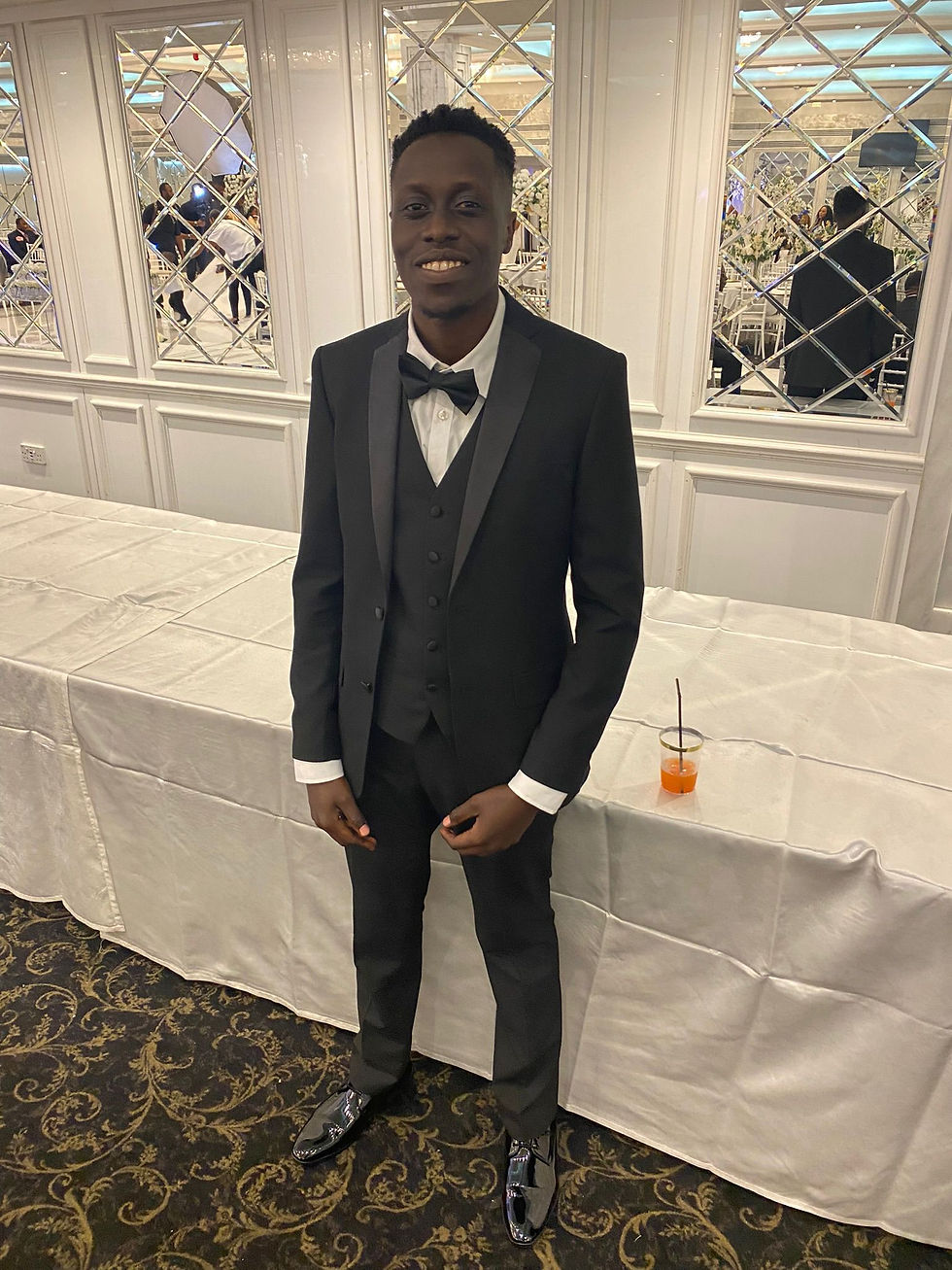
Riddler Tshibangu, raised on the Stonebridge Estate in Tottenham, North London, met Myron later through content work. Already recognised as a creative voice in his own right, his involvement is driven by something deeper than visibility. There is a genuine enthusiasm to give back, to make sure the lens points at young people in a way that humanises rather than stereotypes.

The production team carries that same intention. Drone footage from Skyvolt_visuals captures the scale of what is happening, showing two areas sharing one space. On the ground, Treyvon Curtis Crowl documents the tackles, the celebrations, the tension in real time. Rico Snow shapes the narrative in the edit, with support from Sulay, ensuring that what lives online reflects what was felt in person.
And the football itself is not theoretical. There are years of coaching at Pro FA Hammersmith. There is ongoing work toward a UEFA C qualification and an Introduction to Coaching Badge. There have been trials with Tottenham, Chelsea, Leyton Orient and Fulham. That background matters. It anchors the movement in lived experience, not borrowed authority.
This is not just documentation. It is testimony.

It signals that this is not just a football fixture; it is a cultural moment. It connects the pitch to music, fashion, media and local enterprise. It shows young people that their community is worth documenting, worth celebrating, and worth investing in.
What makes it resonate is the mix of people involved. Rappers line up next to builders. Tech workers share a midfield with men from the block. Nine-to-five professionals mark content creators. Status does not travel onto the pitch. Once the match begins, everyone operates within the same framework. Skill and effort are the only currencies that matter in that moment.
For young people watching, that equality offers a different example of how identity can function. You do not have to fear another area. You do not have to inherit division. You can walk into a space that once felt off-limits and compete without hostility. That demonstration carries more weight than any speech about unity.

The initiative also provides direction in a practical sense. Instead of lingering without purpose, there is somewhere structured to be. Training replaces idle time. Team selection replaces passive scrolling. Accountability replaces anonymity. The ambition extends further with plans for academies designed to support younger players, offering them discipline and skill development before distractions become louder than opportunity.
The movement continues to grow steadily. Each event refines the next. Each match expands the network. The long-term vision includes tournaments, structured leagues, and representation across different areas and eventually internationally. However, the foundation remains local and grounded. It begins at home, with the communities that shaped it.

As Hoodballinn evolves, the core principle remains consistent. It creates space for people to meet one another as individuals rather than stereotypes. It reveals character, humour, talent, competitiveness, and respect. It reminds participants that beyond online personas and inherited narratives, they share something simple and universal: the desire to belong and to compete fairly.
Hooballinn channels the energy of the ends into something constructive. It does not erase identity. It reframes it. In a climate where division often feels amplified, that reframing is significant. The pitch becomes a place where rivalry exists within rules, and respect follows naturally.
That is how change begins. Not through slogans, but through repetition. Through exposure. Through shared experience that gradually reshapes what feels normal.
And on that pitch, what feels normal is togetherness.

"We are a group of men from different areas in London that give opportunity for lads who love football to play."